Timeframe: 2027 | Geography: Global | Audience: General
Robotics is entering a decisive phase: industrial installations hit record highs and service robots broaden into homes, hospitals, and public spaces. According to IFR World Robotics, global industrial robot installations reached 553,000 units in 2022—a strong foundation for expansion through 2027. This article distills ten trends shaping that future, from cobots on factory floors to outdoor home robots, with practical guidance for executives and operators. We weave in ecosystem realities—marketplace procurement, modular platforms, and education pathways—spanning educational robots, STEM robotics kit, and autonomous mobile robot adoption.

Ten Trends Shaping Robotics in 2027
1) Cobots Go Mainstream in Mid‑Market Manufacturing
Definition & status: Collaborative robots (cobots) safely share workspaces with people for tasks like machine tending, screwdriving, and light material handling robot operations. By 2027, adoption spreads beyond large firms to mid‑market plants seeking flexible automation.
Drivers: Safety advancements, ease of deployment, ROI at lower volumes, and workforce augmentation.
Data support: IFR reports a record 553k industrial robot installations in 2022, indicating robust demand for flexible automation.
Impact: Suppliers push safer end‑effectors; integrators standardize quick deployment kits; operations teams redesign cells around human‑robot workflows.
2) AMRs Orchestrate Warehouses and Stores
Definition & status: Autonomous mobile robot fleets—built on a configurable autonomous robot platform and mobile robot chassis—handle in‑facility transport, shelf scanning, and back‑of‑store moves. 2027 brings mature fleet orchestration and WMS/WES integrations.
Drivers: E‑commerce growth, micro‑fulfillment, safety, and continuous inventory visibility.
Data support: The Gartner Hype Cycle for automation/robotics highlights accelerating maturity of AMR ecosystems and orchestration platforms.
Impact: Vendors expose APIs; operators embed AMR tasks into pick waves; retailers pilot in‑aisle execution with guardrails and analytics.
3) Outdoor Home Robots Move Beyond Lawn Care
Definition & status: Consumer robots for window cleaning, pool maintenance, and lawn mowing mature in reliability and safety. Marketplaces bundle installation and after‑sales support for mainstream adoption.
Drivers: Time savings, consistent quality, and sensor/edge‑AI improvements.
Data support: IFR World Robotics tracks steady growth across service robotics categories, including domestic and professional cleaning.
Impact: Suppliers standardize consumables; channels offer setup services; consumers gain bundled warranty and support clarity.
4) Professional Cleaning and Delivery Robots Scale
Definition & status: Autonomous scrubbers, UV disinfection, and indoor delivery robots expand across hospitals, airports, and hospitality.
Drivers: Hygiene standards, staffing constraints, and measurable uptime.
Data support: IFR highlights logistics and cleaning as leading professional service‑robot segments.
Impact: Facility managers integrate robots with scheduling/BMS; vendors deliver maintenance SLAs; insurers evolve coverage frameworks.
5) Humanoids Enter Targeted, Low‑Variation Tasks
Definition & status: Early commercial deployments of humanoid form factors in retail backrooms and facilities for repetitive, low‑variation tasks.
Drivers: Advances in balance, manipulation, and teleoperation; brand signaling and pilot economics.
Data support: The Gartner Hype Cycle discusses emerging human‑centric robotics and related technologies.
Impact: Suppliers prioritize safety interlocks; integrators define job boundaries; ops teams establish SOPs for exception handling.
6) Assistive & Rehabilitation Robotics Address Aging Societies
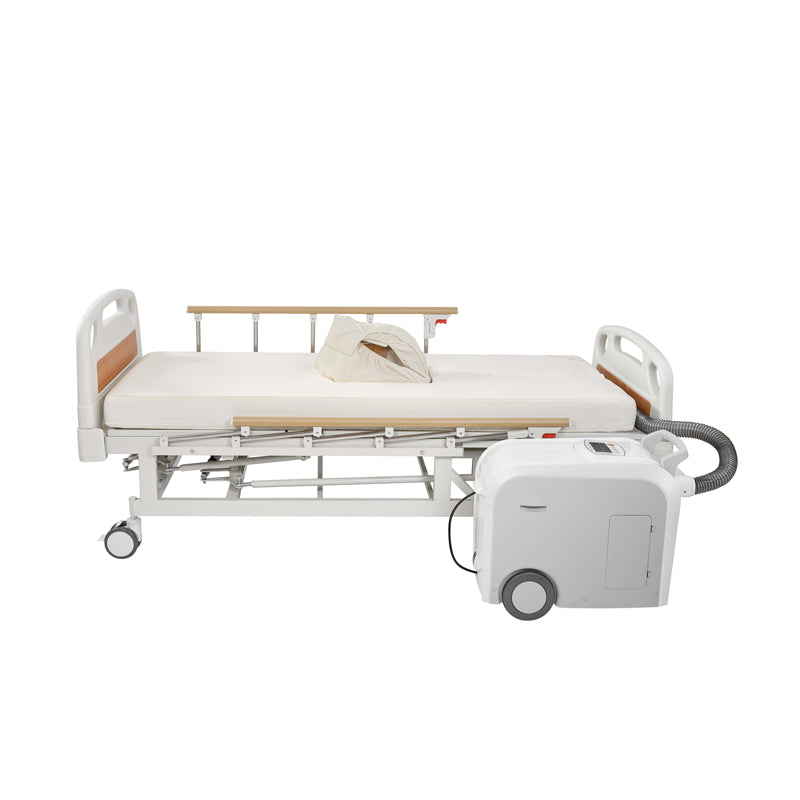
Definition & status: Assistive walking robot, rehabilitation robotics, elderly care robot/elder care robot, smart nursing robot, and toilet assistant robot support mobility, safety, and dignified care.
Drivers: Demographics, caregiver shortages, safer human‑robot interaction standards.
Data support: WHO estimates that by 2030, 1 in 6 people will be aged 60+, underscoring demand for assistive solutions.
Impact: Suppliers meet clinical requirements; providers integrate robots into care pathways; payers explore reimbursement models.
7) Education Pipelines: STEM Kits and Starter Platforms
Definition & status: STEM robotics kit, robotics starter kit, and classroom educational robots cultivate future operators, integrators, and developers.
Drivers: Skill shortages, hands‑on curricula, and maker ecosystems.
Data support: McKinsey Global Institute finds that a large share of work activities can be automated, accelerating demand for robotics skills and retraining.
Impact: Suppliers modularize learning paths; schools partner with industry; employers prioritize reskilling with kits and micro‑credentials.
8) Modular Platforms and Interchangeable Chassis
Definition & status: Standardized mobile robot chassis and payload interfaces enable rapid customization across use cases.
Drivers: Faster time‑to‑value, component interoperability, and ecosystem apps.
Data support: Platform thinking is emphasized across Gartner Hype Cycles for automation and integration.
Impact: Suppliers publish SDKs; integrators reuse modules; buyers reduce lifecycle costs via swappable payloads.
9) Edge AI Elevates Perception and Safety
Definition & status: On‑device AI handles navigation, grasping, and anomaly detection, improving reliability for AMRs and service robots.
Drivers: Cheaper compute, better cameras/LiDAR, and safety standards.
Data support: Gartner research consistently tracks AI at the edge across industries, including robotics.
Impact: Suppliers certify perception stacks; operators gain safer autonomy; regulators evolve testing protocols.
10) Marketplace Procurement and Partner Ecosystems
Definition & status: Global platforms streamline discovery, evaluation, and after‑sales across categories—from autonomous mobile robot fleets to consumer outdoor robots—while enabling B2B partnership recruitment.
Drivers: Fragmented suppliers, standard warranties, and multi‑vendor support demands.
Data support: Procurement digitization and ecosystem orchestration are covered by McKinsey operations research on supply chains and platforms.
Impact: Buyers reduce evaluation time; vendors gain reach; integrators plug into partner networks for rapid commercialization.
Data‑Driven Outlook to 2027
The industrial base is strong, and demographics plus retail logistics point to continued service‑robot momentum. While exact trajectories vary by region and use case, the evidence below shows reliable baselines and drivers.
| Segment | Adoption by 2027 | Key Drivers |
|---|---|---|
| Cobots | High (mid‑market manufacturing) | Safety, ROI, flexible automation |
| AMRs | High (warehouses, retail) | E‑commerce, orchestration, sensors |
| Outdoor home robots | Medium‑High (consumer) | Convenience, reliability, safety |
| Assistive/rehab | High (aging societies) | Demographics, care quality |
| Education kits | High (schools, workforce) | Skill gaps, hands‑on learning |
Opportunities and Challenges
- Opportunities: New markets (outdoor home robots); efficiency gains (AMRs); business model innovation (marketplace bundling, service SLAs); upskilling via STEM robotics kit and robotics starter kit.
- Challenges: Safety certification, interoperability, total cost of ownership, data privacy, and integration complexity across multi‑vendor fleets.
- Risk management: Align to standards (e.g., industrial robot safety), stage pilots with clear KPIs, and structure warranties/support to reduce downtime.
- Case patterns: Warehouses achieving double‑digit throughput gains with AMRs; hospitals standardizing cleaning robots for predictable hygiene cycles.
Practical Action Guide
- For CEOs: Prioritize cobot and AMR investments with 12–18‑month payback; establish a platform approach (common chassis, shared tooling); fund workforce reskilling with educational robots programs.
- For Managers: Run pilots in 1–2 cells or aisles; integrate robots with WMS/BMS; define SOPs for exception handling; map spare parts and mobile robot chassis maintenance.
- For General Readers: Explore STEM robotics kit and robotics starter kit paths; evaluate household robots for repetitive chores; track warranties and after‑sales support.
Value Realization with Por robotspilot
Por robotspilot operates a global marketplace for robotics products and solutions, aggregating brands and innovation across categories—commercial cleaning and delivery robots, outdoor household robots, humanoids, cobots, and education kits. The platform also recruits partners (system integrators, marketplace suppliers/distributors) and supports product recommendations and commercialization.
Partner ecosystem: Explore collaboration models via the brand site: Partnerships. For warranties and after‑sales clarity, see Warranty. Professional equipment is intended for commercial/industrial/research use and may require technical expertise for assembly and operation; manufacturer support may be limited to documentation or remote guidance.
Next step: To customize these trends to your operations and portfolio, book an expert consultation or initiate an inquiry for a tailored plan.
References
- International Federation of Robotics (IFR): World Robotics — global installations and service‑robot segments
- Gartner: Hype Cycles — robotics/automation maturity and platform trends
- McKinsey Global Institute: Future of Work — automation potential and skill shifts
- World Health Organization (WHO): Ageing and Health — demographic data driving assistive robotics