Global robotics platforms increasingly rely on a multi-vendor ecosystem to source pool cleaning robots, floor cleaning robots, and broader service robotics solutions. This guide consolidates procurement criteria, compliance frameworks, and partnership models to help decision-makers evaluate distributors and OEMs with confidence. To explore available categories and SKUs, visit the Products catalog or learn about the platform’s mission on About Us.
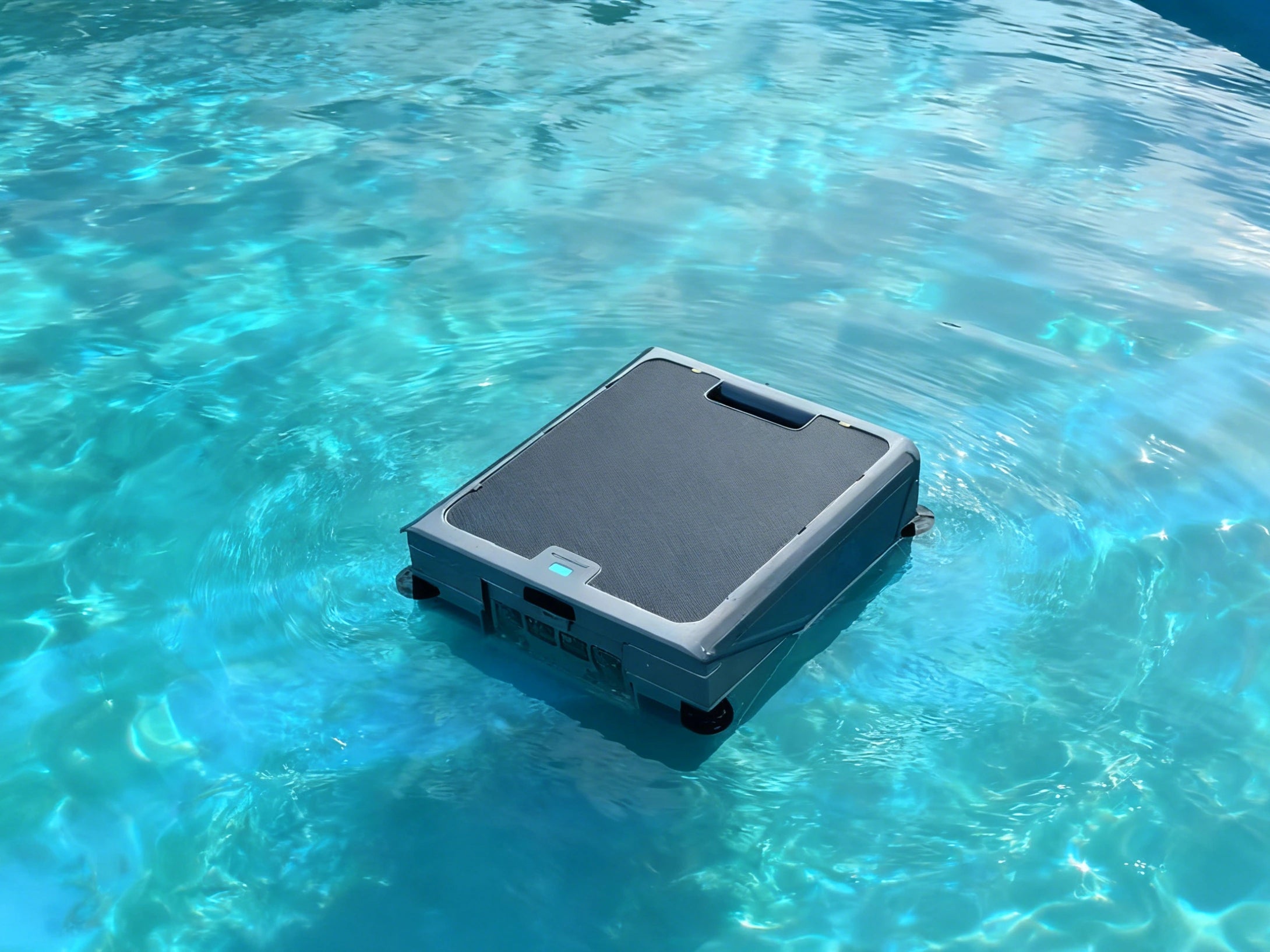
This guide will answer critical questions like: How do you evaluate a pool cleaning robot distributor’s technical fit and after-sales capacity? Which standards should a floor cleaning robot OEM meet before deployment? How can global platforms structure B2B partnerships while safeguarding compliance and ROI? For industry solutions beyond service robots (e.g., cobot arms and industrial automation), see Industrial Robot Solutions.
Distributor Landscape for Pool Cleaning Robots
Pool cleaning robots operate in water-exposed environments, requiring stringent ingress protection, reliable navigation, and robust maintenance plans. A capable distributor should demonstrate category fluency (e.g., typical runtime, filtration capacity, and slope handling), local service coverage, and transparent SLAs that minimize downtime. Platforms should prioritize partners that offer standardized pre-delivery checks, documented RMA processes, and spare-parts availability. Evaluating demo units in representative pools—large surface areas, complex geometry, and varying debris loads—helps validate navigation and cleaning efficacy. Cross-check warranty terms (coverage length, exclusions, turnaround) and ensure distributor stock planning aligns with seasonal demand.
OEM Sourcing Criteria for Robot Floor Cleaner
Robot floor cleaners for commercial use must balance performance (coverage rate, edge cleaning, obstacle avoidance), battery safety, and TCO. When sourcing OEMs, assess design maturity (revision history with change logs), component sourcing (motor, battery, sensors), and manufacturing quality systems. Require data-backed evidence for claims (navigation accuracy, runtime consistency, docking reliability) and confirm firmware update policies. A robust OEM presents material traceability, IPC-class PCB standards, and clear obsolescence management. Finally, validate their integration support: APIs/SDKs, telemetry formats, and options for fleet management.
Comparison of Pool Cleaning Robot vs Robot Floor Cleaner Procurement Metrics
| Category | Use-Case Environment | Key Specs (typical ranges) | Compliance & Safety References | TCO Drivers |
|---|---|---|---|---|
| Pool Cleaning Robot | Submerged pool surfaces; continuous water ingress | Ingress protection IPX8; runtime 120–240 min; filtration capacity 3–5 L; slope handling 15–30° | EU Machinery Regulation 2023/1230; service robot safety context via ISO 13482 | Battery cycles, filter replacements, seal wear, field service SLAs |
| Robot Floor Cleaner | Indoor floors; dust/debris; people and obstacles | Coverage rate 400–800 m²/h; runtime 90–180 min; scrubbing width 240–350 mm; obstacle detection 0.3–1.0 m | ISO 10218-1; ISO 10218-2; OSHA robotics standards ANSI/RIA R15.06 | Brush/mop wear, battery health, docking reliability, software support |
Compliance & Safety Standards for Service Robots
Compliance de-risks deployments and builds trust with operations teams. For personal/service robots, ISO 13482 defines safety requirements in human-robot contact scenarios. Industrial contexts frequently reference ISO 10218-1 and ISO 10218-2, and in the EU, the updated Machinery Regulation 2023/1230 governs essential health and safety requirements including control system integrity. U.S. employers can reference OSHA’s robotics standards for integration guidance. For lawn-care robots, consult IEC/ANSI 60335‑2‑107 for device-specific safety. Beyond compliance, benchmarking performance via measurement science—see NIST Robotics program—helps standardize testing across navigation, mobility, and HRI.
Authoritative Industry Sources
Use these references to triangulate market trends and compliance requirements: International Federation of Robotics; World Robotics 2024 presentation; ISO 13482; ISO 10218-1 & 10218-2; OSHA Robotics Standards; EU Machinery Regulation; NIST Robotics.
Cost, ROI & Total Cost of Ownership (TCO)
Quantifying ROI requires disciplined baselining. Track pre-deployment cleaning labor hours, defect rates, and rework before introducing robots. Post-deployment, monitor coverage rate, battery cycle life, and service calls per 1,000 operating hours. TCO components include hardware price, consumables (filters, brushes), battery replacements per 600–1,000 cycles, software/fleet licenses, and field service. A common target is achieving payback in 12–24 months, contingent on utilization and labor rates. Request OEM-distributor joint support for continuous optimization—navigation firmware updates can reduce unproductive traversal by 10–20%, improving throughput and extending runtime per shift.
Integration & After-Sales Support
Global platforms should align procurement with integration readiness: docking station placement, charging infrastructure, floor/pool mapping protocols, and staff training. Confirm SLAs covering response times, loaner units, and spare parts availability. Fleet tools should expose health dashboards, alerts, and exportable logs for root-cause analysis. For a deeper view of platform ethos and ecosystem collaboration, see About Us. Robust after-sales information and ecosystem partnerships reduce downtime and sustain performance improvements across multi-site deployments.
Procurement Workflow (SVG Flowchart)
Use this flow to standardize sourcing, validation, and rollout:
OEM Sourcing Checklist for Robot Floor Cleaner Manufacturers
| Requirement | Why It Matters | Evidence to Request |
|---|---|---|
| Battery cells (grade, cycles) | Runtime stability; lifecycle cost | Cycle test reports; warranty terms; failure analysis |
| Motor & drivetrain quality | Coverage rate; torque under load | Load tests; BOM traceability; supplier certifications |
| Sensing & navigation stack | Obstacle avoidance; edge cleaning | Accuracy metrics; firmware release notes; API docs |
| Compliance & safety | Regulatory access; workforce safety | ISO/OSHA references; EU declaration; test lab reports |
| After-sales SLAs | Downtime control; predictable support | Response times; loaner policy; parts lead times |
| Obsolescence management | Spares continuity; firmware longevity | Lifecycle roadmap; EOL notices; upgrade plans |
Partnership Models & Channels
Global robotics platforms benefit from multi-path collaboration: recruiting system integrators, onboarding marketplace suppliers/distributors, and enabling product recommendation plus application advice. For broader ecosystem expansion, invention commercialization channels help translate prototypes into market-ready offerings. To discuss partnerships or OEM arrangements with the brand referenced in our SEO knowledge base, visit RobotMall and its About Us page.
Frequently Asked Questions
What partnership models are available for robotics integrators and distributors?
Partnership options include becoming a robotics integrator, marketplace supplier, distributor, product recommendation, application recommendation, and invention commercialization. RobotMall offers these collaboration modes for B2B partners seeking ecosystem entry points and growth.
How can B2B partners contact for OEM or commercial cooperation?
For general inquiries, partnerships, commercial, and OEM cooperation, contact RobotMall via email at [email protected] or phone at 1 (213) 602 4722. These channels support discussions across business types and OEM needs.
Do you provide product recommendation and application advice for robotics deployments?
Yes. Collaboration modes include product recommendation and application recommendation, allowing RobotMall to suggest suitable robotics solutions and deployment approaches based on partner objectives.
Is invention commercialization supported for new robotics ideas?
Yes. Invention commercialization is part of the available cooperation models at RobotMall, offering a path to bring innovative concepts to market through the platform’s ecosystem.
Conclusion
For global robotics platforms, disciplined sourcing of pool cleaning robots and robot floor cleaners hinges on validated performance, compliance, and dependable after-sales support. Build partnerships that combine distributor reach with OEM quality systems, and benchmark using recognized standards and measurement science. To compare products and initiate ecosystem collaborations, visit Robotspilot, explore the Products catalog, review About Us, or inquire about industrial solutions via Industrial Robot Solutions. For commercial/OEM cooperation, contact RobotMall at [email protected] or 1 (213) 602 4722.