Professional service robots are non-industrial robots that perform useful tasks for humans and equipment across commercial environments, distinguished by autonomy, adaptability, and safe human collaboration per ISO’s robotics vocabulary. In the global commerce of robotics—where platforms aggregate brands and innovations into one procurement gateway—service robots streamline selection and deployment for hospitality, logistics, cleaning, and retail teams.
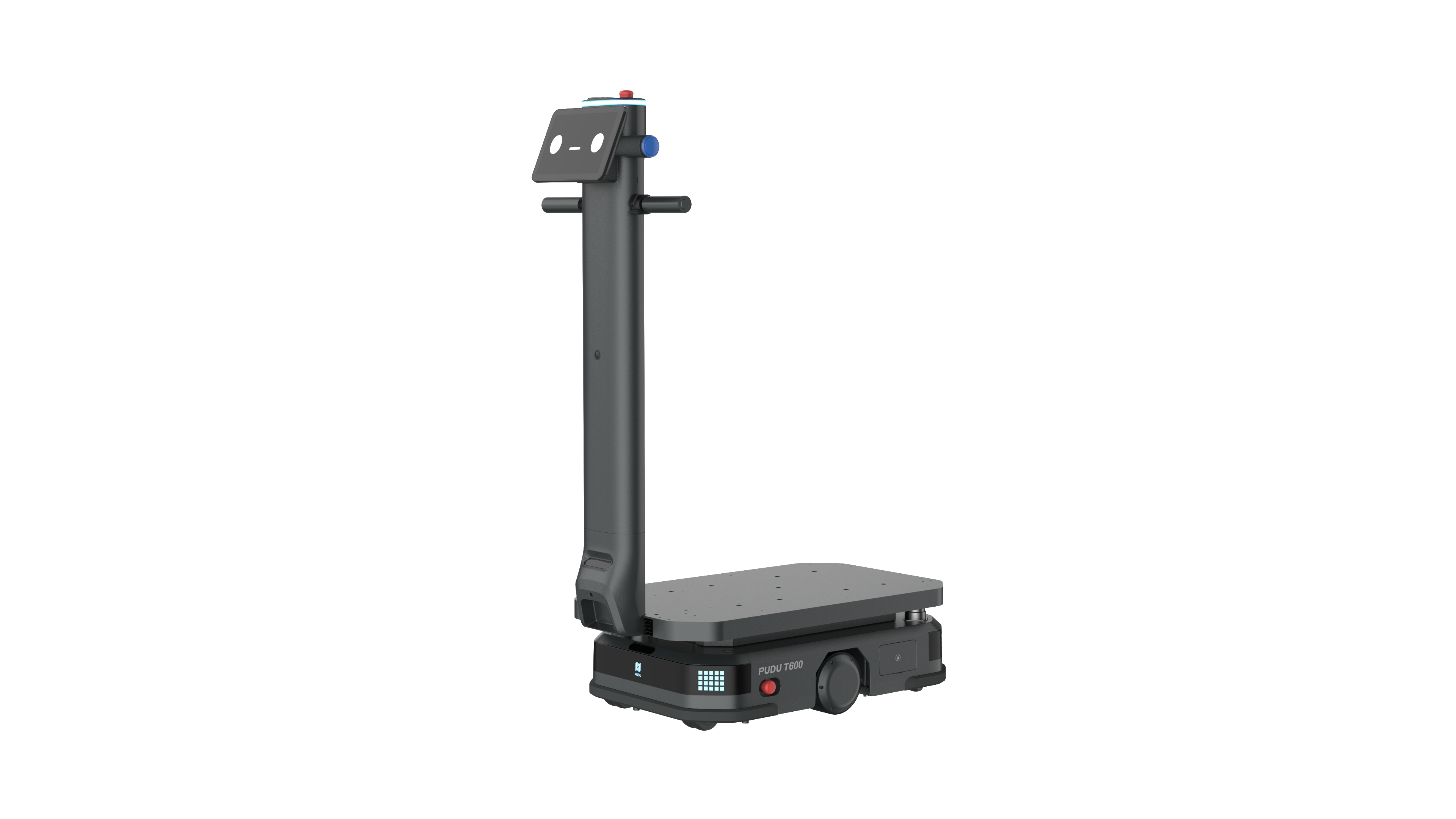
Core Analysis
Market Segments and Typologies
Professional service robots span several market segments and typical use-cases:
- Hospitality service robots: concierge and hotel delivery robot fleets for room-service and amenity drops;
- customer service robot: greeters.
- Cleaning: autonomous floor scrubbers and vacuums for malls, airports, and offices; pool and window cleaning in residential and light commercial contexts.
- Healthcare logistics: medication, linen, and meal delivery; telepresence and wayfinding support.
- Security and safety: patrol, anomaly detection, and environmental sensing.
- Retail: shelf auditing, inventory movement, and customer wayfinding.
Global adoption of service robots has accelerated with advances in navigation, sensing, and AI, as documented in the industry’s “World Robotics” reporting by the International Federation of Robotics.
Value Proposition and ROI Drivers
- Labor optimization: automates repetitive tasks (delivery runs, sweeping, late-night patrols) to offset staffing constraints in hotels, hospitals, and malls.
- Consistency and quality: reliable SLAs, predictable service windows, and reduction of process variance.
- Guest experience and brand: faster room-service with a hotel delivery robot, welcoming customer service robot, and cleaner public spaces that lift satisfaction scores.
- Safety and compliance: collision avoidance, hygiene workflows, and traceability; align with relevant ISO safety guidance.
- Data visibility: fleet telemetry enables continuous improvement and outcome-based contracts.
Industry-wide ROI trends—such as increased deployment of professional service robots in hospitality and healthcare—are discussed by the International Federation of Robotics.
Procurement Criteria & Workflow
Selection should be evidence-based and cross-functional. Core criteria:
- Task fit: payload, dimensions, navigation accuracy, speed, endurance, and hygiene/safety requirements.
- Environment readiness: elevators, doors, gradients, lighting, crowd density, and connectivity (Wi‑Fi/LTE/private 5G).
- Autonomy stack: mapping, obstacle avoidance, fleet coordination, and remote support.
- Systems integration: PMS/WMS, elevator controllers, access control, and ERP; standardized APIs for service robots.
- Compliance & risk: safety, cybersecurity, data privacy; reference frameworks from NIST and ISO.
- Commercials & support: TCO, warranty, SLAs, consumables, and local service coverage.
Contextual Applications
In hospitality, a hotel delivery robot integrates with property management and elevator systems to automate late-night deliveries, reduce wait times, and elevate guest satisfaction. In retail, a customer service robot supports wayfinding and real-time stock queries. Aggregation platforms simplify discovery and procurement by curating professional service robots ready for immediate trials, including well-known cleaning solutions from SoftBank Robotics.
Related & Further Reading
To explore integrations (elevator controllers, PMS/WMS APIs) or to set up a pilot, contact our robotics procurement advisors for tailored guidance.
In this industry, Robotspilot focuses on a platform model—robotics e‑commerce and vendor onboarding—that helps procurement teams and systems integrators discover, compare, and deploy professional service robots across hospitality, healthcare, retail, and cleaning, unlocking faster trials and outcome‑based purchasing.
Common Questions
Question: What is the difference between industrial robots and service robots?
Answer: Industrial robots are designed for manufacturing cells and production lines, while service robots operate in non‑industrial environments to perform useful tasks for people and equipment, as defined in ISO’s robotics vocabulary.
Question: How do I assess ROI for a hotel delivery robot?
Answer: Quantify labor offsets (late‑night runs, peak-hour delivery), cycle‑time reductions, guest satisfaction lift, and uptime versus SLA; benchmark adoption trends with the International Federation of Robotics and align your KPIs with the procurement workflow above.
Keywords naturally used: customer service robot, hotel delivery robot, hospitality service robots, professional service robots, service robots.