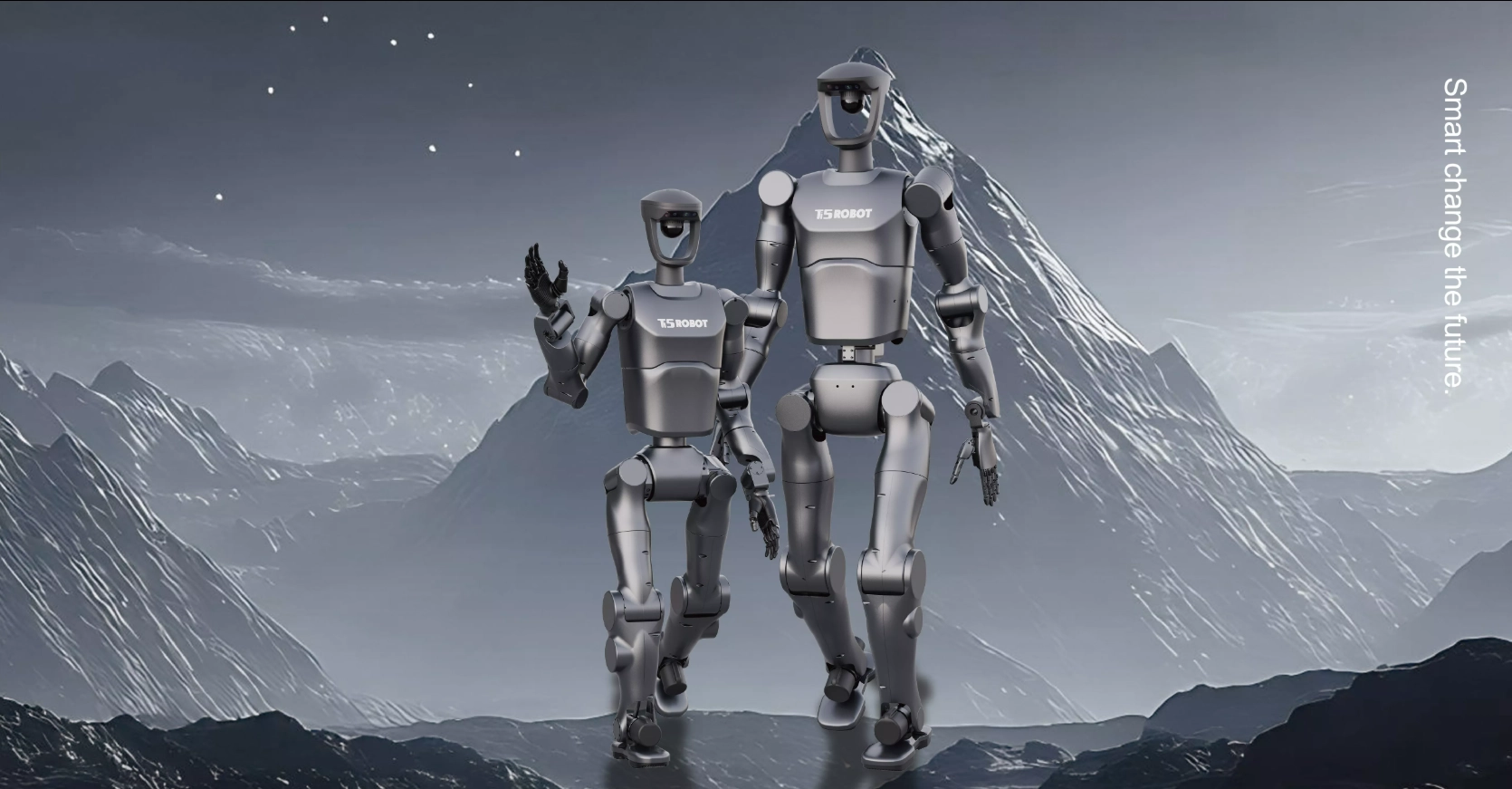
Humanoid Robot Solutions
The Era of Embodied AI: Bridging the Gap Between Research and General-Purpose Productivity.
Industry Challenges & Evolutionary Trends
Core Challenges
Unstructured Environment Adaptability:
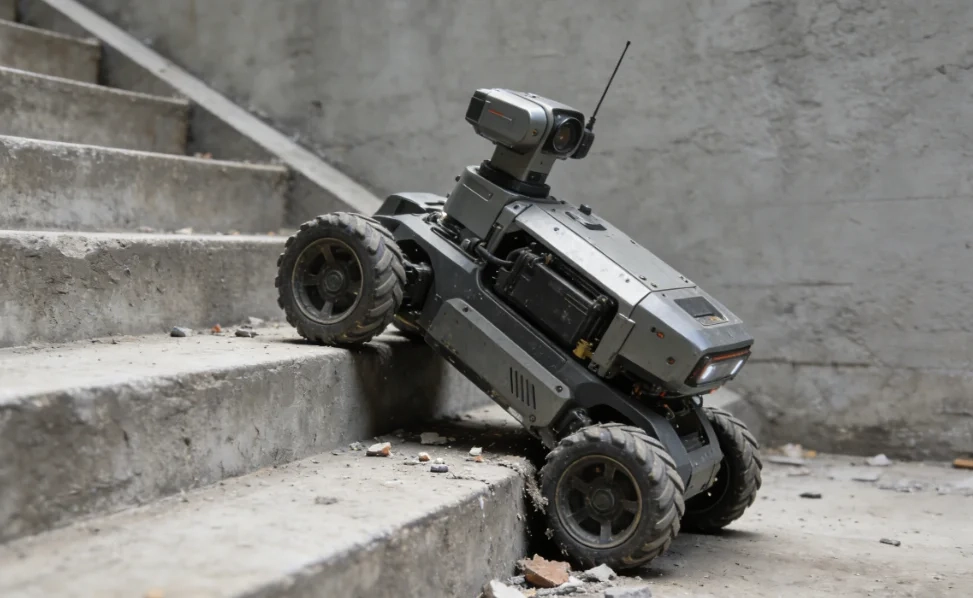
Traditional wheeled or tracked robots struggle with "human-standard" spaces, such as stairs, narrow corridors, and cluttered environments.
The "Dexterous Hand" Bottleneck:
A lack of high-DOF (Degrees of Freedom) end-effectors with tactile feedback makes complex assembly or delicate caregiving tasks nearly impossible for conventional robots.
Low Generalization:
Traditional automation requires specific programming for single tasks. Humanoids aim to solve the need for a versatile machine that can learn and switch between diverse jobs via observation.
Maintenance Complexity:
High-precision actuators and complex sensory arrays require a sophisticated after-sales infrastructure that most suppliers lack.
The 2026 Shift
From "Sim-to-Real" to "Work-Ready":
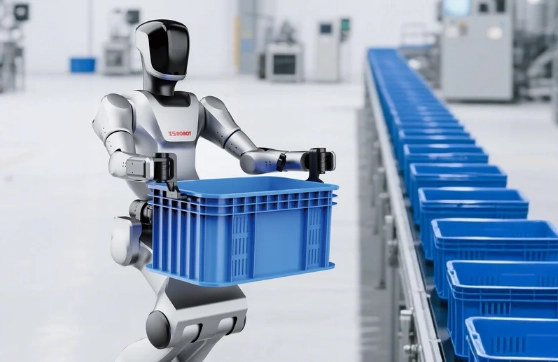
Leveraging digital twin technology, humanoids now undergo thousands of hours of training in virtual worlds, allowing them to be deployed on factory floors with minimal on-site calibration.
General Embodied AI:
Robots are now equipped with "Physical Brains" (Large Motion Models) that understand natural language commands and plan complex physical maneuvers autonomously.
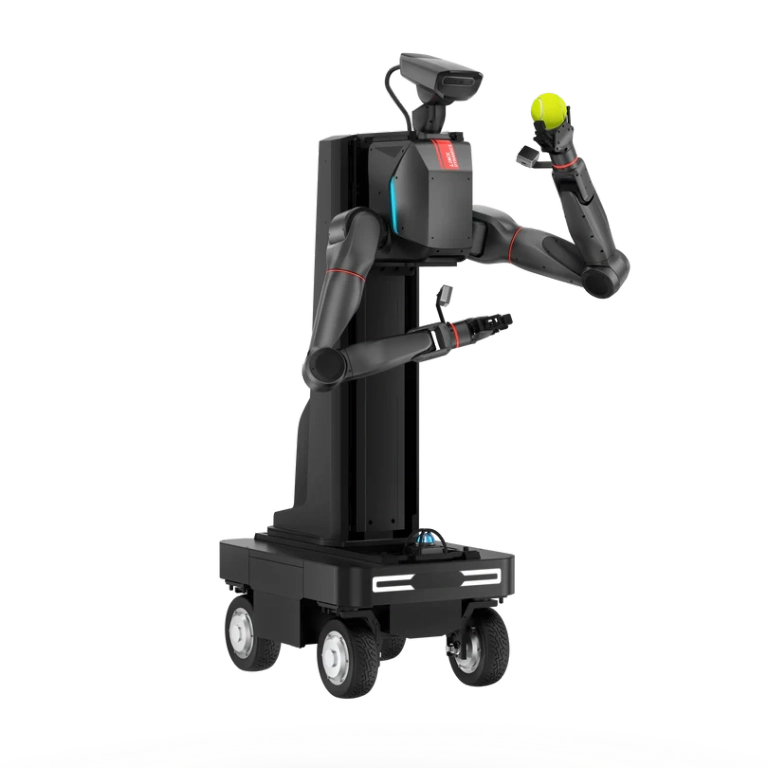
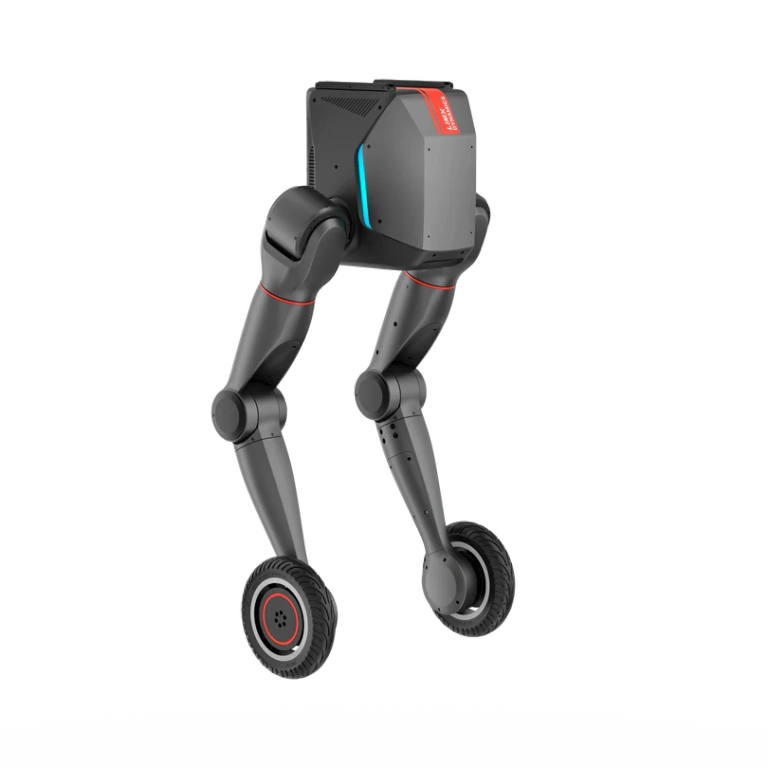
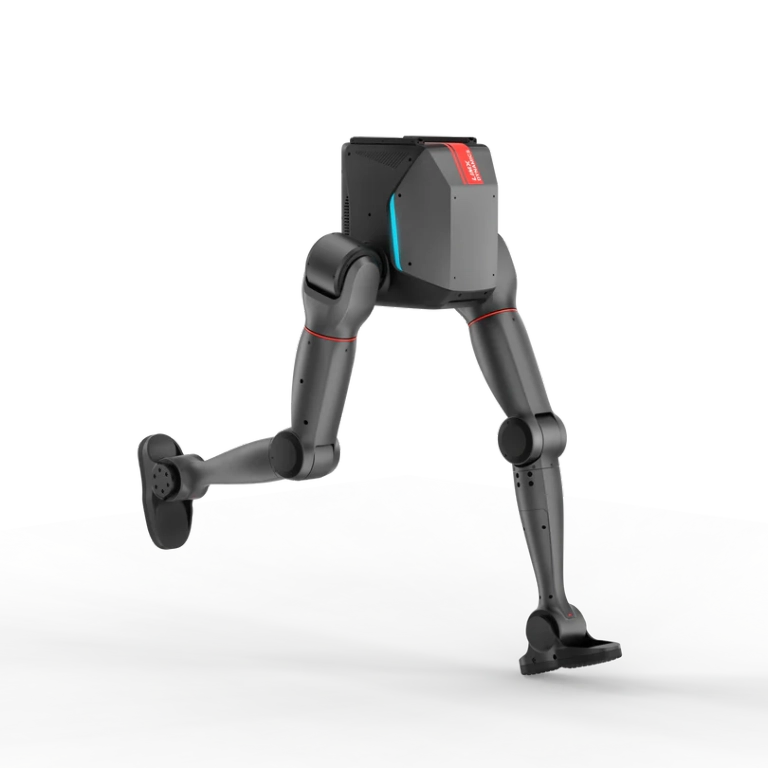
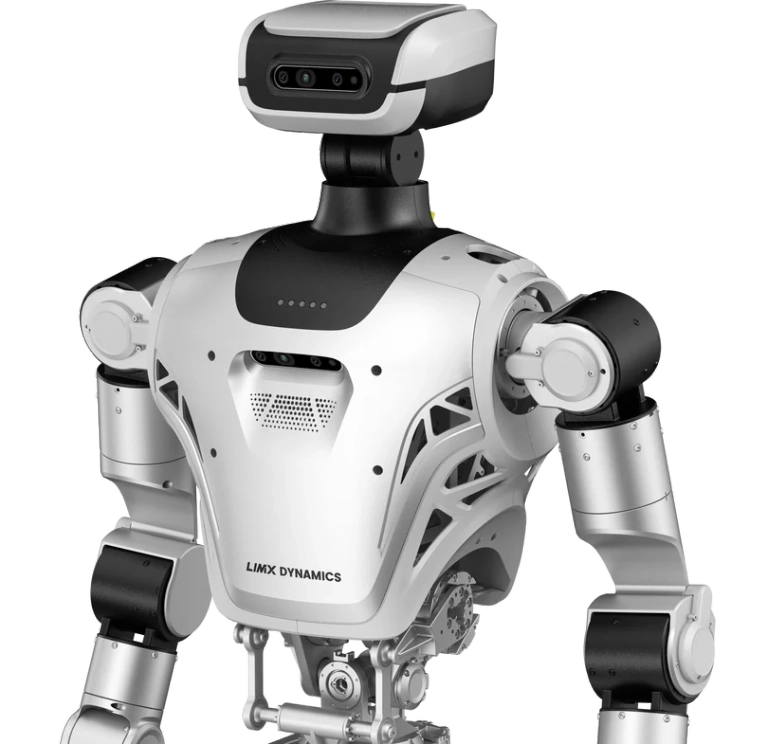
LimX Robot Series
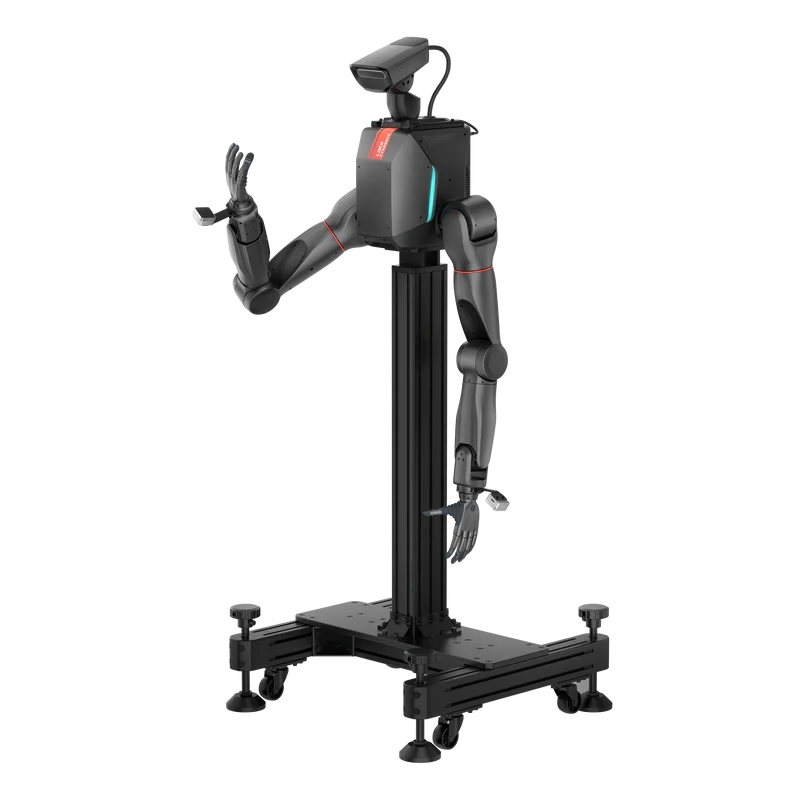
- Multi-Modal Mobility: Pioneering "Wheel-Legged" design (TRON series) that switches between bipedal walking and high-speed wheeled rolling (5m/s).
- Advanced Balancing (RL-Driven): Uses Reinforcement Learning to maintain rock-solid stability on stairs, slopes, and through external impacts.
- Modular Architecture: Fully detachable and swappable arms, heads, and feet, allowing for rapid mission-specific customization.
- Developer-Ready Ecosystem: Features a Sim-to-Real pipeline with native Python support, optimized for training embodied AI in NVIDIA Isaac Sim.
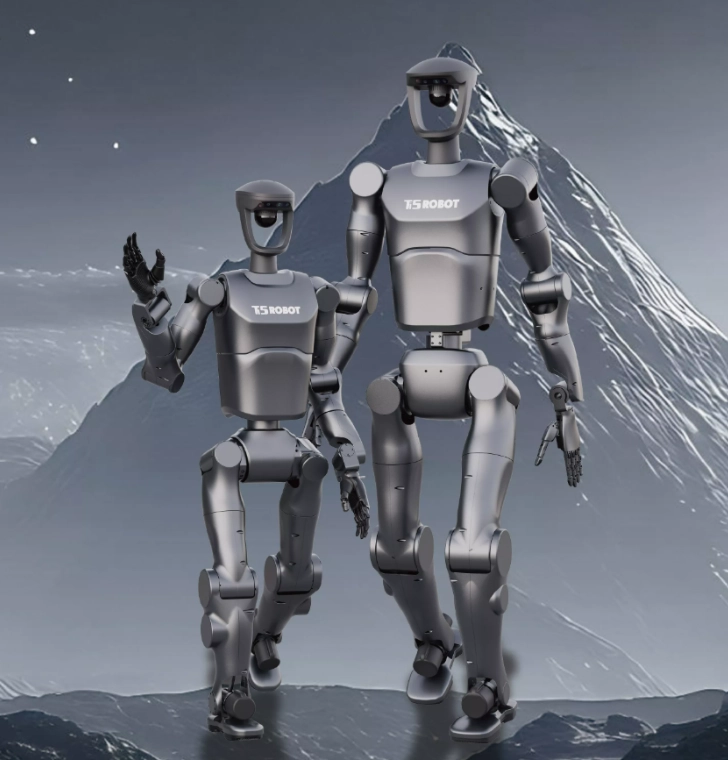
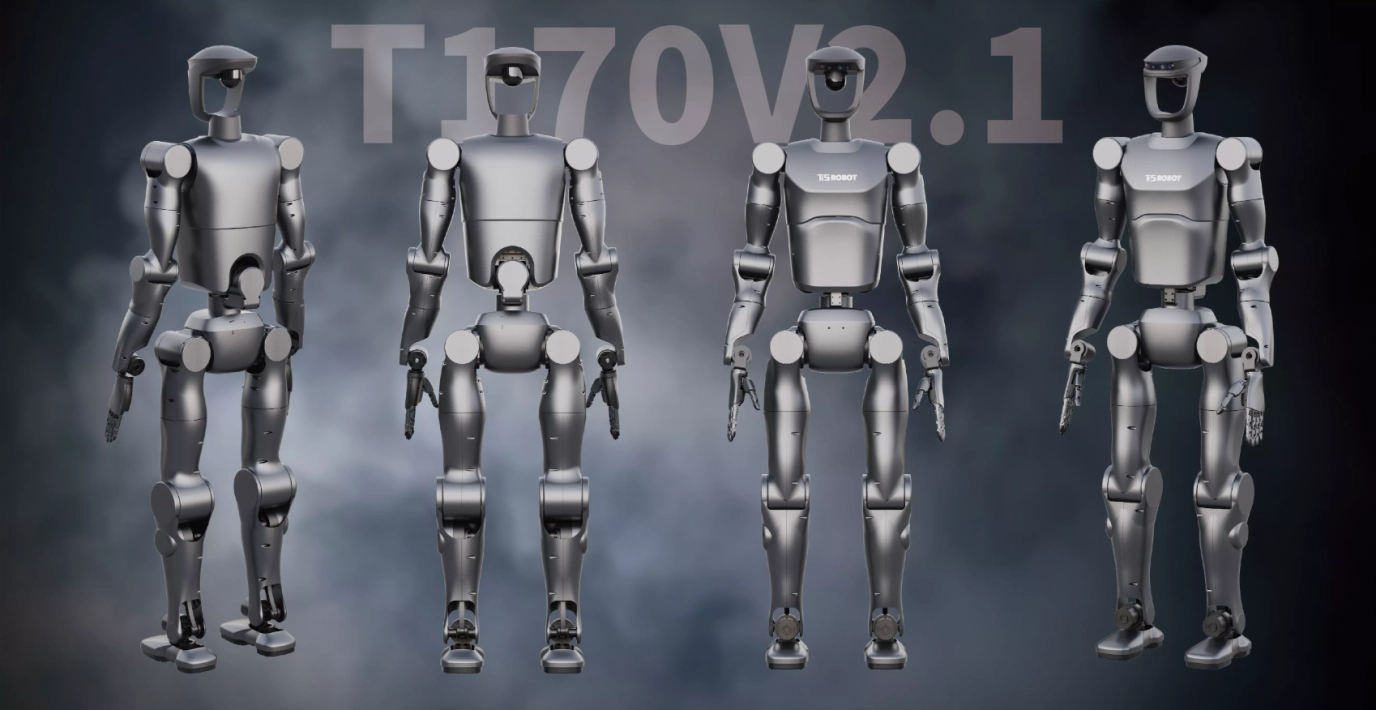
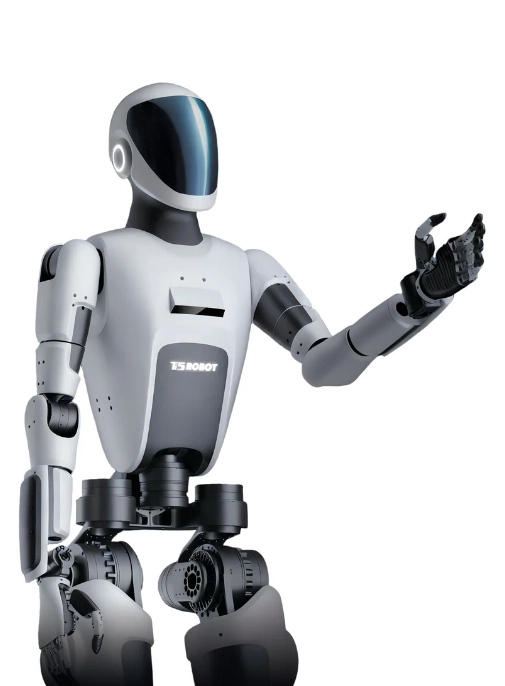
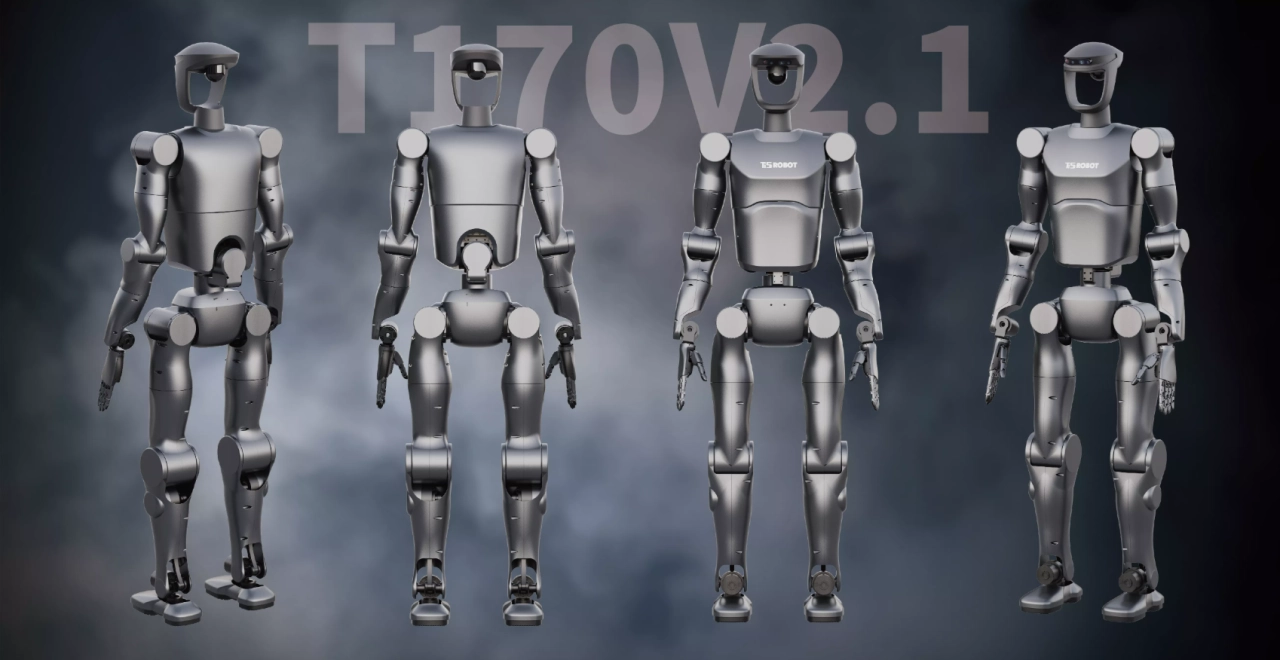
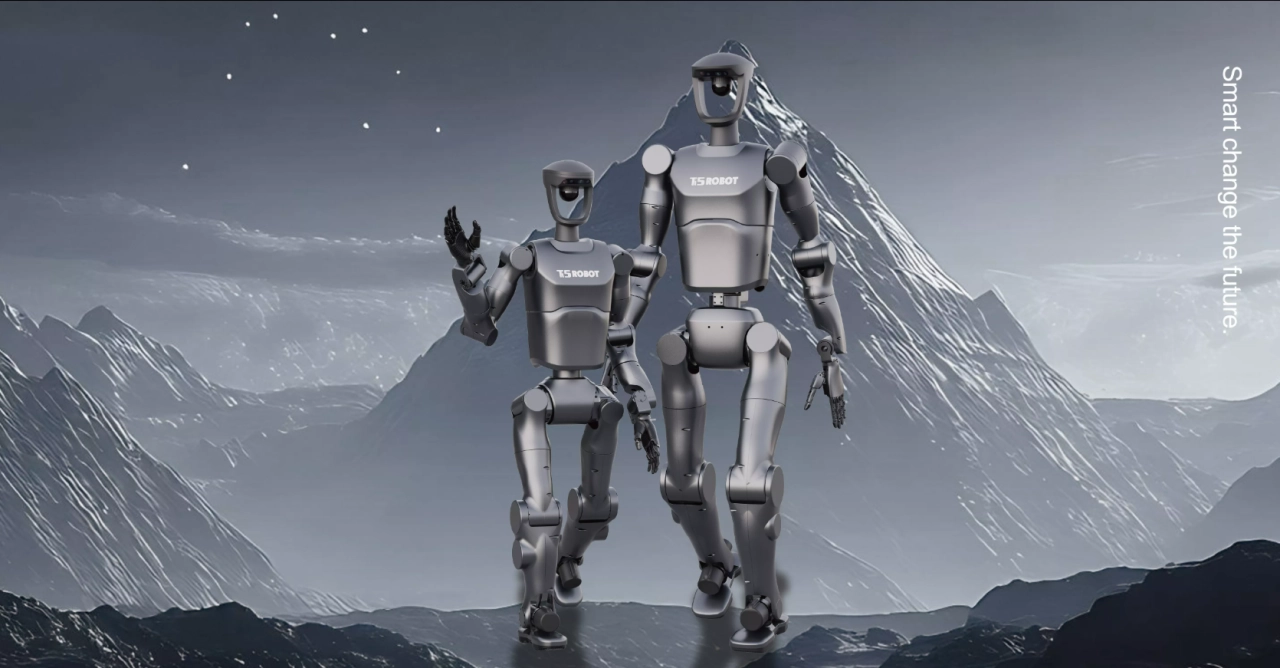
Ti5 Robot Series
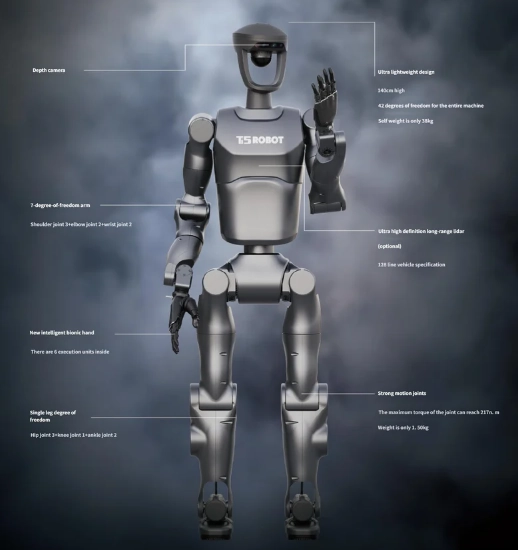
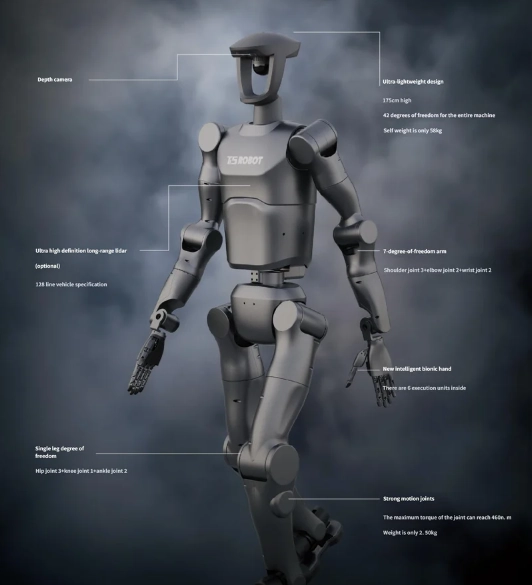
- Extreme Weight Efficiency: Models like Yao Guang stand 1.7m but weigh only 48kg, offering a top-tier payload-to-weight ratio.
- High-Torque Actuators: Features proprietary joint modules with peaks up to 490 N·m, enabling powerful lifting and high-speed agility.
- Dexterous Manipulation: Equipped with 6-DOF bionic hands that simulate human-like grip and tactile feedback for delicate tasks.
- All-Environment Perception: Integrates 5 depth cameras and 6-axis force sensors for precise autonomous navigation and interaction.
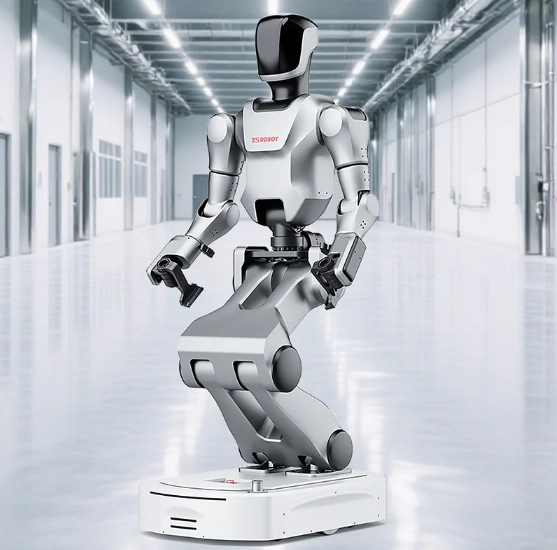
FR Series Collaborative Robots:
Why Choose Robotmall
RobotMall offers a one-stop catalog of commercial robotics, spanning every high-demand sector-no need to juggle multiple platforms.
Curated, Trusted Brands & Professional-Grade Quality
Every product on RobotMall is rigorously vetted to meet commercial/industrial standards.
B2B Flexibility & Support
Customizable solutions for industrial or specialized use cases Post-sales support tailored to commercial needs (maintenance, parts replacement, technical consultation)
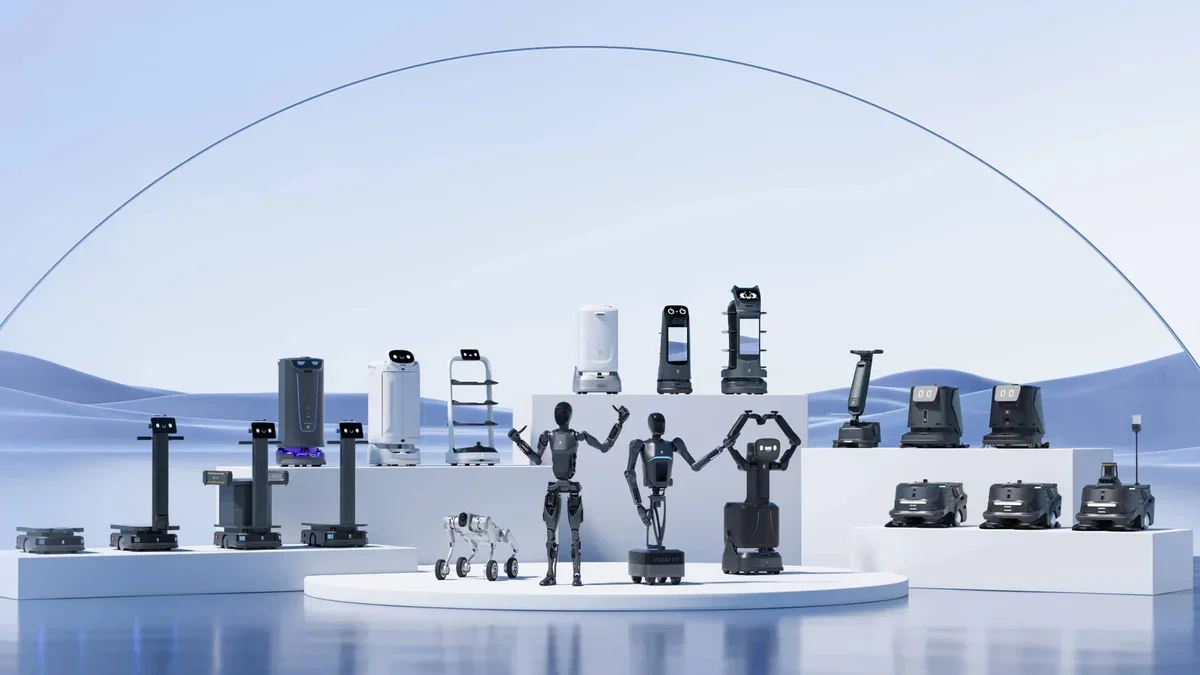
One-Stop Catalog
From budget-friendly commercial cleaners to industrial-grade automation and life-enhancing medical devices (SJE T01G nursing robot), cover your end-to-end needs
Ecosystem Integration for End-to-End Success
Beyond procurement, RobotMall connects you to a broader robotics network